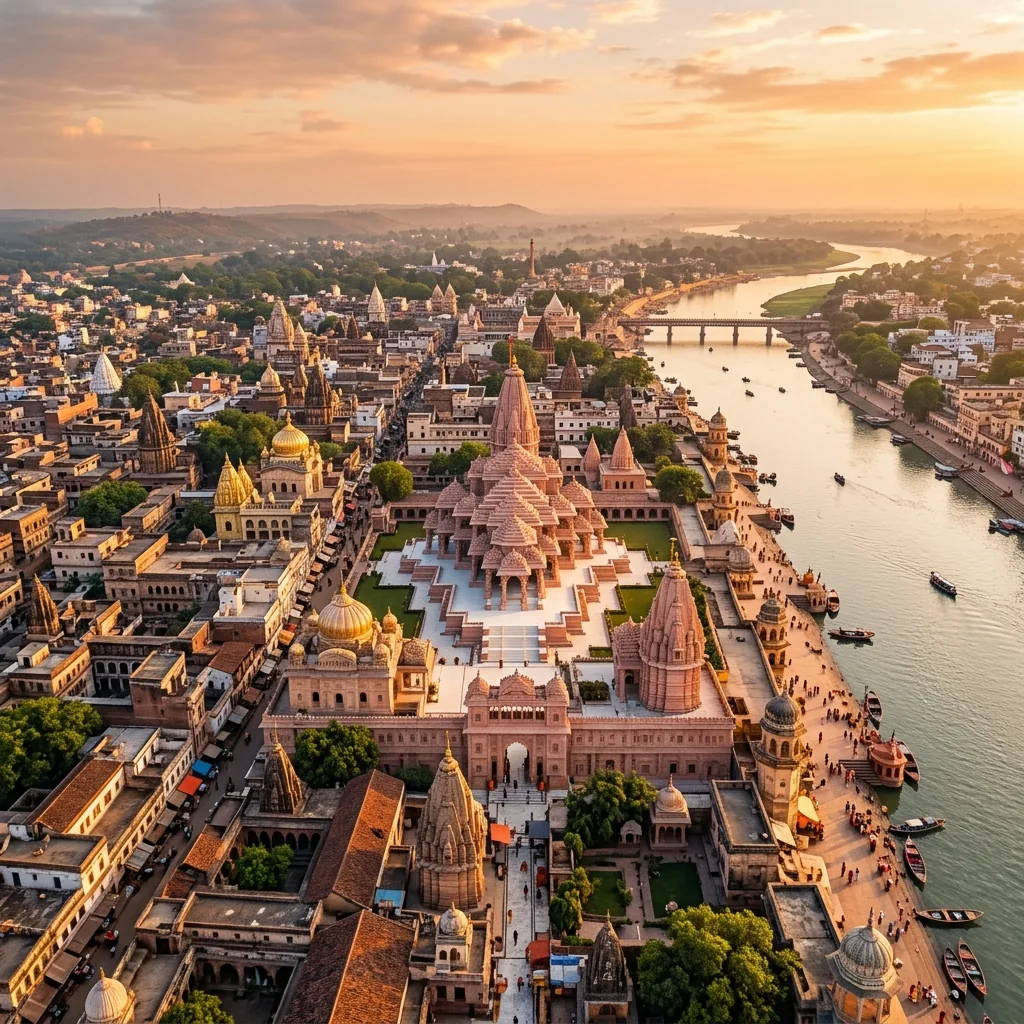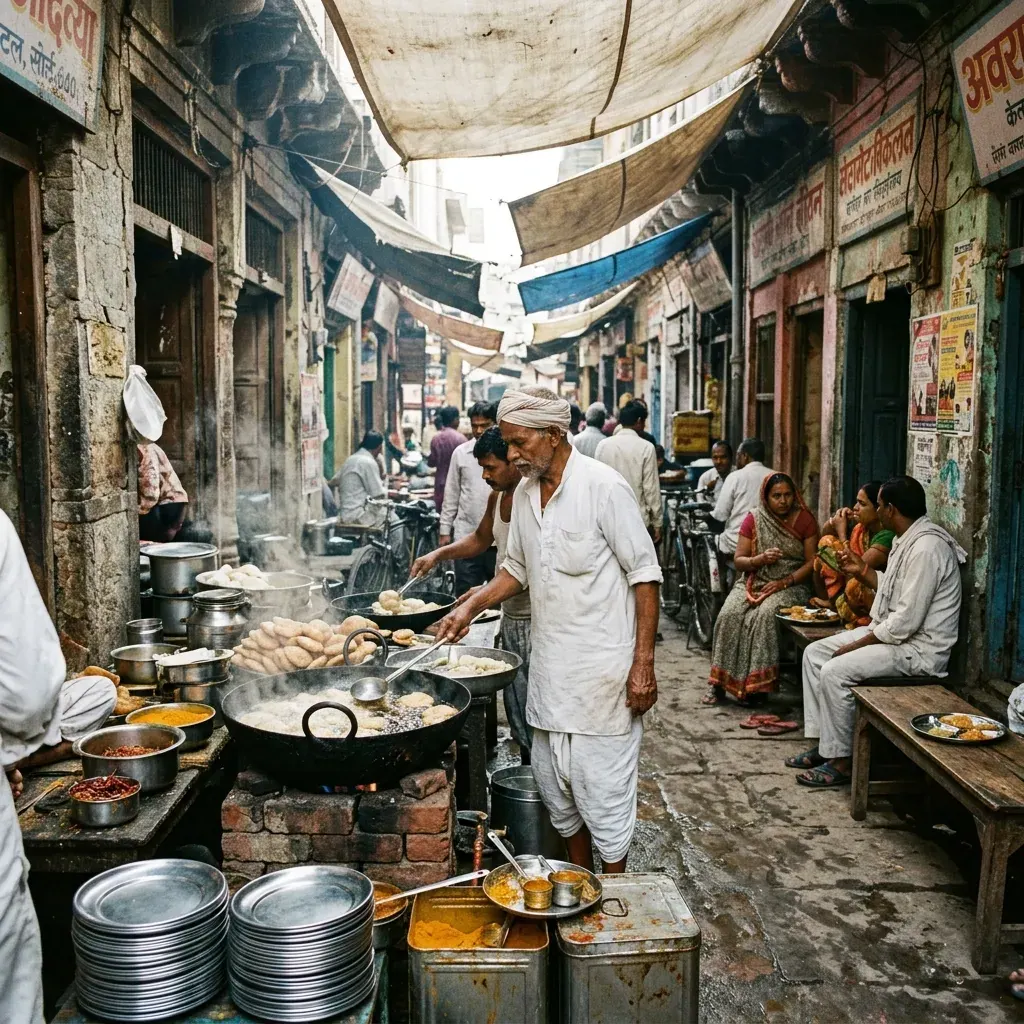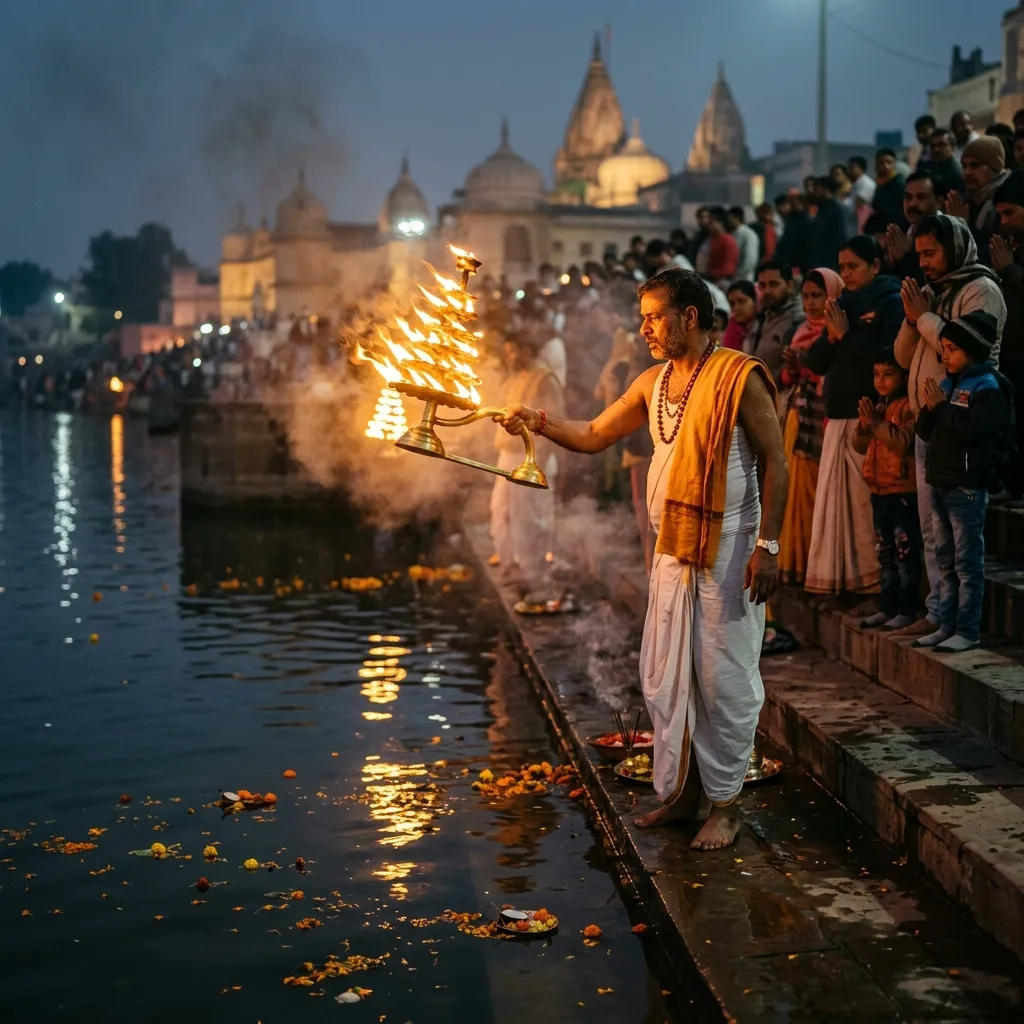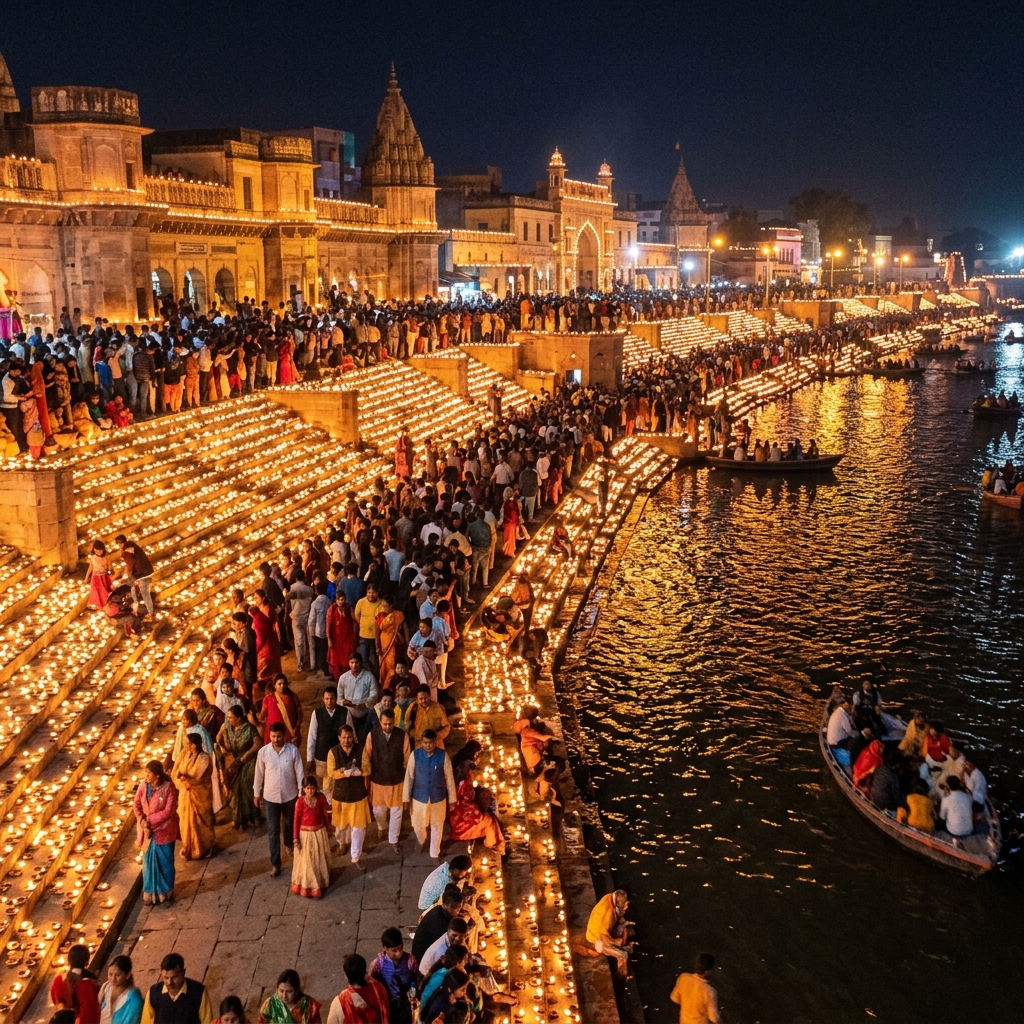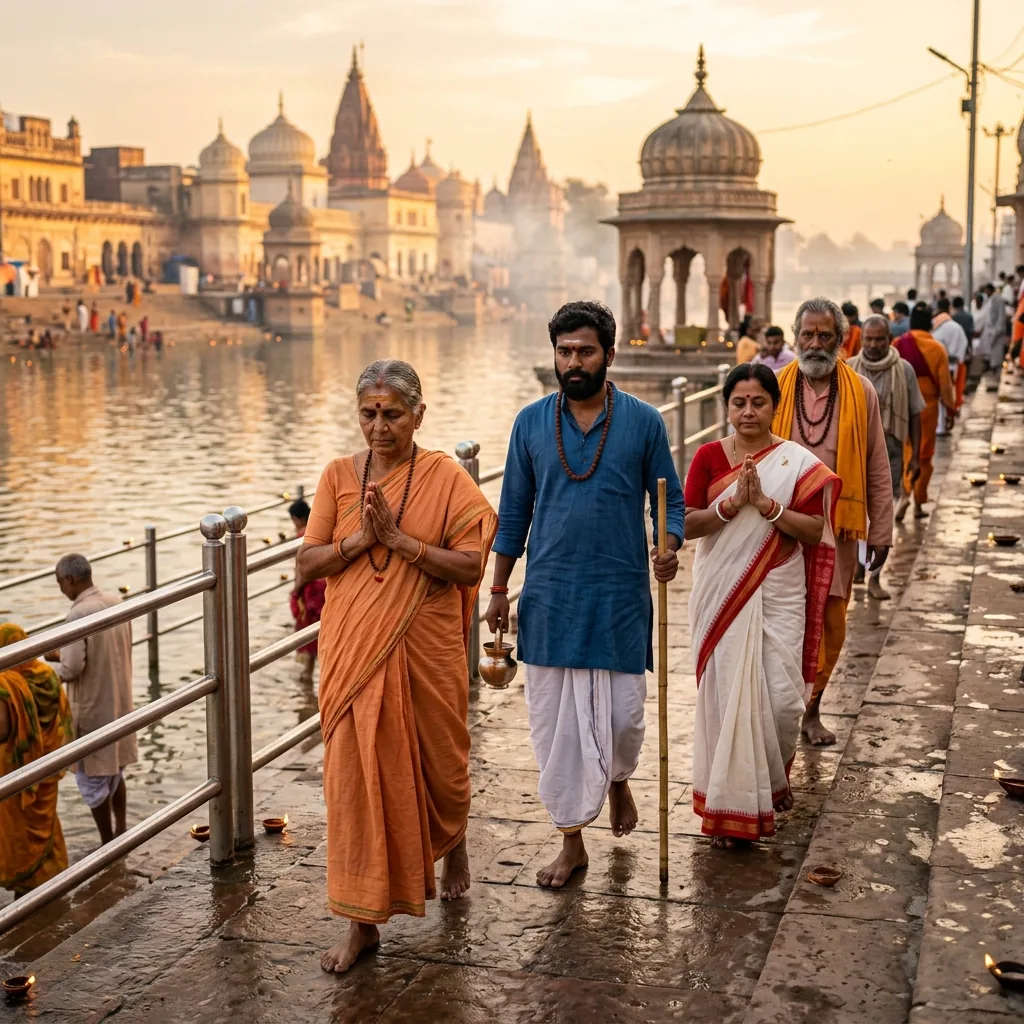
If you're planning a pilgrimage to Ayodhya, you already know the basics — Ram Mandir, Sarayu Ghat, aartis, prasad. What nobody tells you is the operational reality of a major pilgrimage city in 2025: the best times to avoid crowds, the logistics of darshan, the sacred sites that most pilgrims completely miss, and the small courtesies that make a difference.
This is the guide we wish existed when we first came to Ayodhya. It comes from people who live here, run a hotel a minute from the main temple, and speak with pilgrims every single day.
When to Visit Ayodhya
Ayodhya receives pilgrims year-round, but there are distinct seasons that significantly affect your experience:
October to March — The Best Season
The weather is cool and forgiving. The major festival period (October–November, Kartik month) brings enormous crowds but also the most spectacular atmosphere. If you want to combine comfortable weather with spiritual intensity, visit during Ram Navami (March/April) or Kartik Purnima (October/November).
Summer (April to June) — Manageable but Hot
Temperatures peak at 42–45°C. If you visit in summer, plan all outdoor activities before 9 AM and after 5 PM. The upside: crowds are significantly thinner, darshan lines are shorter, and the city has a quieter, more intimate character.
Monsoon (July to September) — The Hidden Season
Ayodhya in the monsoon is surprisingly beautiful — green, rain-washed, and uncrowded. The Sarayu fills dramatically. Many pilgrims avoid this season, which means you'll find the main sites nearly empty. The humidity is high, but the reward of a quiet Ram Mandir visit is considerable.
Ram Janmabhoomi Mandir — Darshan Guide
The Ram Janmabhoomi Mandir is both the spiritual and logistical centre of any Ayodhya visit. Here's what you need to know:
Entry Rules
- Mobile phones are not permitted inside the main temple complex. Leave them at the designated storage counter (free of charge).
- Bags, cameras, and food items are also not permitted. There are free bag storage facilities at the entry points.
- Footwear must be removed at the designated area before the temple approach.
- Dress modestly — shoulders and legs covered. Traditional attire (dhoti, saree, salwar kameez) is appreciated but not mandatory.
Best Darshan Times
The temple opens at 5:30 AM and closes at 10 PM. The Mangala Aarti at 5:30 AM is the most spiritually powerful — and also has the shortest lines. The midday session (12–4 PM) tends to have the longest waiting times. Evening aarti at 7 PM is beautiful but crowded.
✦ Avarna Tip
Stay at Ramta — we're a 1-minute walk from the temple gates. We serve breakfast from 5 AM on request so you can attend the Mangala Aarti and be back for a warm meal. This is the experience our guests consistently rate as the highlight of their Ayodhya visit.
Sacred Sites Beyond the Main Temple
A proper Ayodhya pilgrimage extends well beyond the Ram Janmabhoomi Mandir. The traditional Panchkosi Yatra — a 15-kilometre circuit around the sacred city — takes 2–3 days on foot and covers dozens of significant sites. Even if you're not undertaking the full yatra, these sites deserve a visit:
- Kanak Bhavan — Sita's golden palace; deeply emotional atmosphere
- Hanuman Garhi — 10th-century Hanuman temple on a hillock; essential
- Nageshwarnath Temple — Ancient Shiva temple; one of the few to survive medieval invasions
- Dashrath Mahal — Palace of King Dashrath, Ram's father; beautiful and often empty
- Guptar Ghat — Believed location of Ram's jal samadhi; 12km from city centre
- Sita Ki Rasoi — Sita's mythological kitchen; unique and atmospheric
What to Carry
For your Ayodhya pilgrimage, pack light but thoughtfully:
- Comfortable walking shoes (you'll walk 5–10 km/day across temple precincts)
- A cloth bag (plastic bags are restricted near temple areas)
- Light cotton clothing in muted, modest colours
- A small towel (for ghat visits and ablutions)
- Cash in smaller denominations for prasad, flower offerings, boat rides
- ORS/electrolyte packets if visiting in summer
- Minimal valuables — the city is safe, but carry only what you need
Where to Stay Near Ram Janmabhoomi
The closest premium boutique hotel to Ram Janmabhoomi Mandir is Ramta by Avarna — 1 minute on foot from the main temple gate, 1 minute from Ayodhya Junction Railway Station. We are a contemporary property designed specifically for the modern pilgrim who wants aesthetic comfort without compromising on proximity to the sacred. It is the best pilgrim stay Ayodhya.
Rooms start at ₹4,000/night and include rooftop café access, a community lounge, and our proprietary Ayodhya city guide — the most detailed, locally written map of the city's sacred sites and hidden gems.
"Ayodhya has been receiving pilgrims for over 3,000 years. What's changed is only the infrastructure. The energy — the aarti bells, the river air, the evening chants — that has never changed." — From the Ramta Front Desk Journal