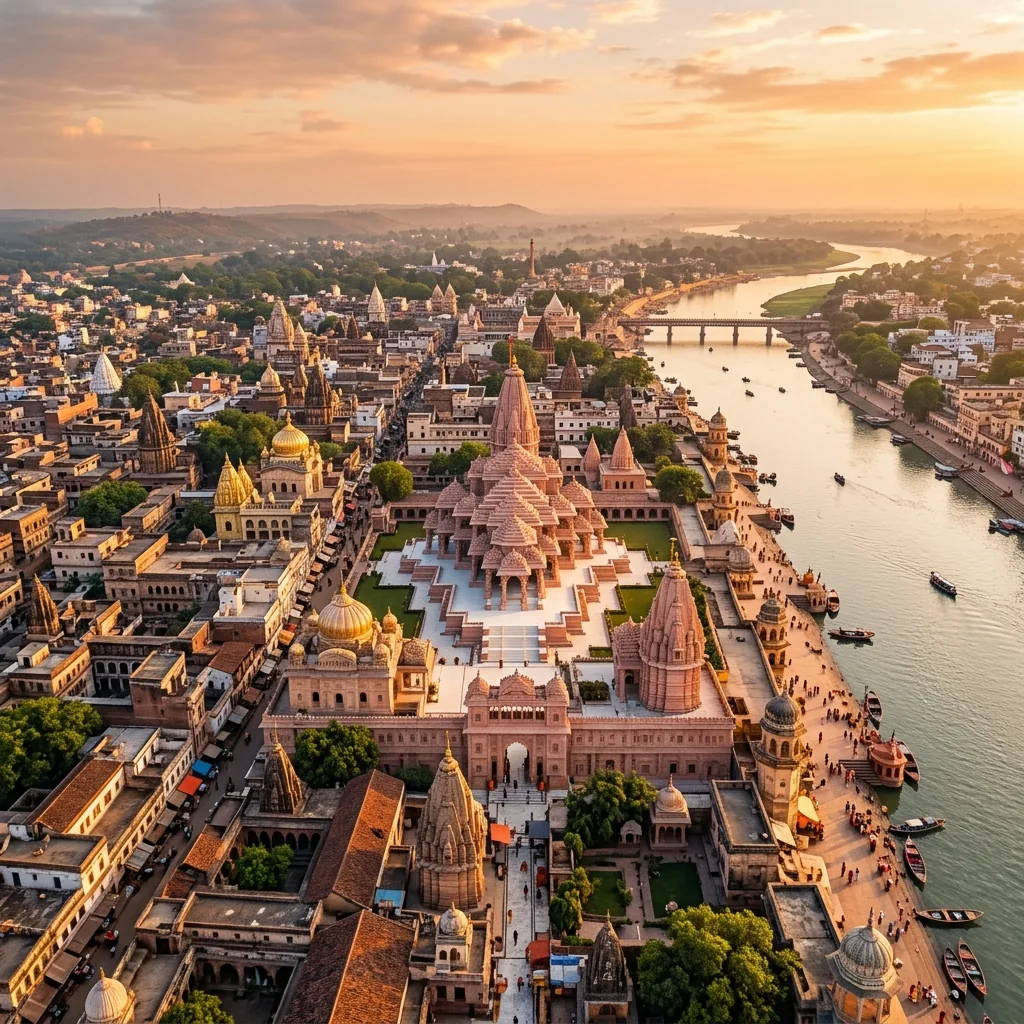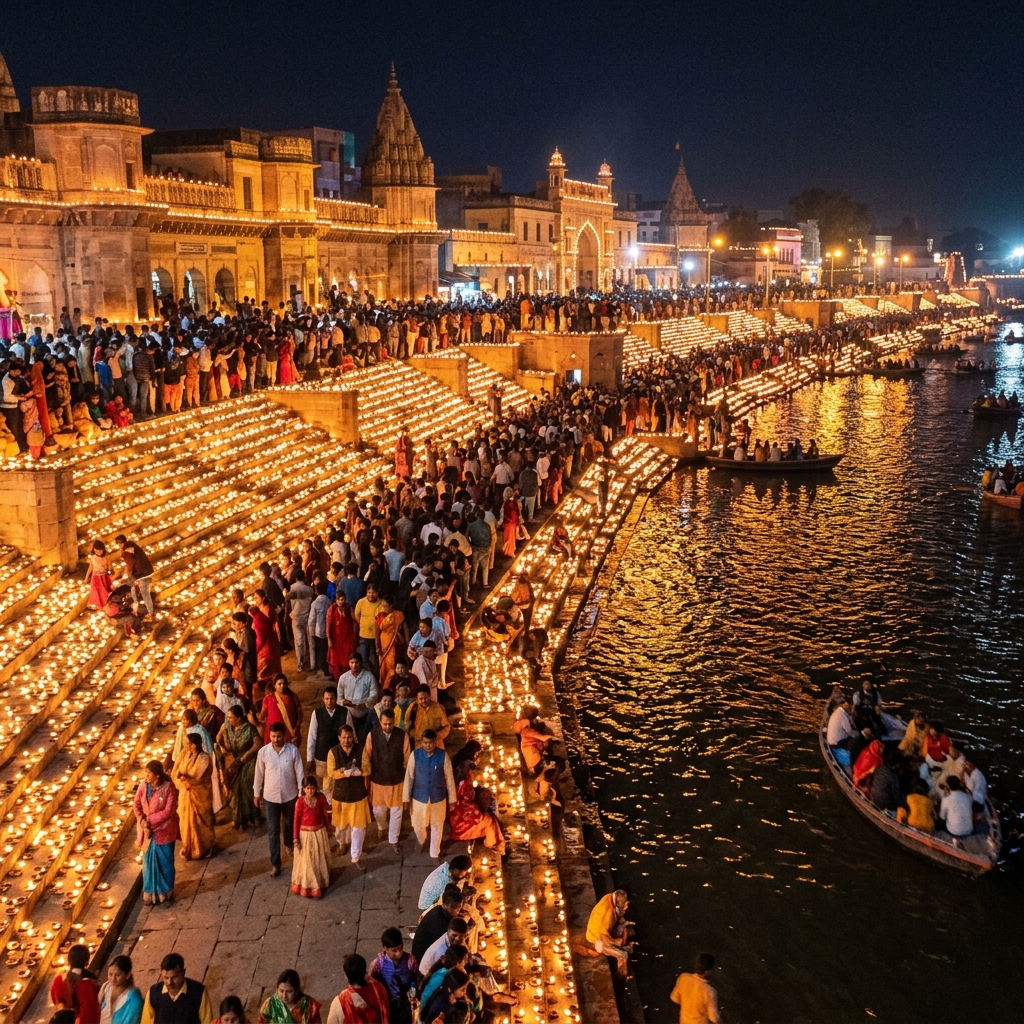
Every year, in the days around Diwali, Ayodhya transforms into what's widely considered one of the most spectacular festivals of light anywhere in the world. Millions of earthen diyas are lit along the banks of the Sarayu River and across dozens of ghats, recreating the moment described in the Ramayana when the city welcomed Lord Ram home after fourteen years of exile.
Since the Ram Mandir's consecration in January 2024, Deepotsav has taken on even deeper significance — for the first time in five centuries, the celebration now includes Lord Ram physically present in his own birthplace temple. If you're planning to experience it in person, here's everything you need to know.
When Is Deepotsav 2026?
Deepotsav 2026 is expected to take place [CONFIRM: around November 7–8, 2026], aligning with Diwali. The Uttar Pradesh government typically confirms the exact date and full schedule only a few weeks ahead of the event, so it's worth checking official sources closer to your travel dates. What is certain is the general window: expect celebrations to build over several days, with the main lighting ceremony falling on the core festival night.
What Makes Deepotsav 2026 Special
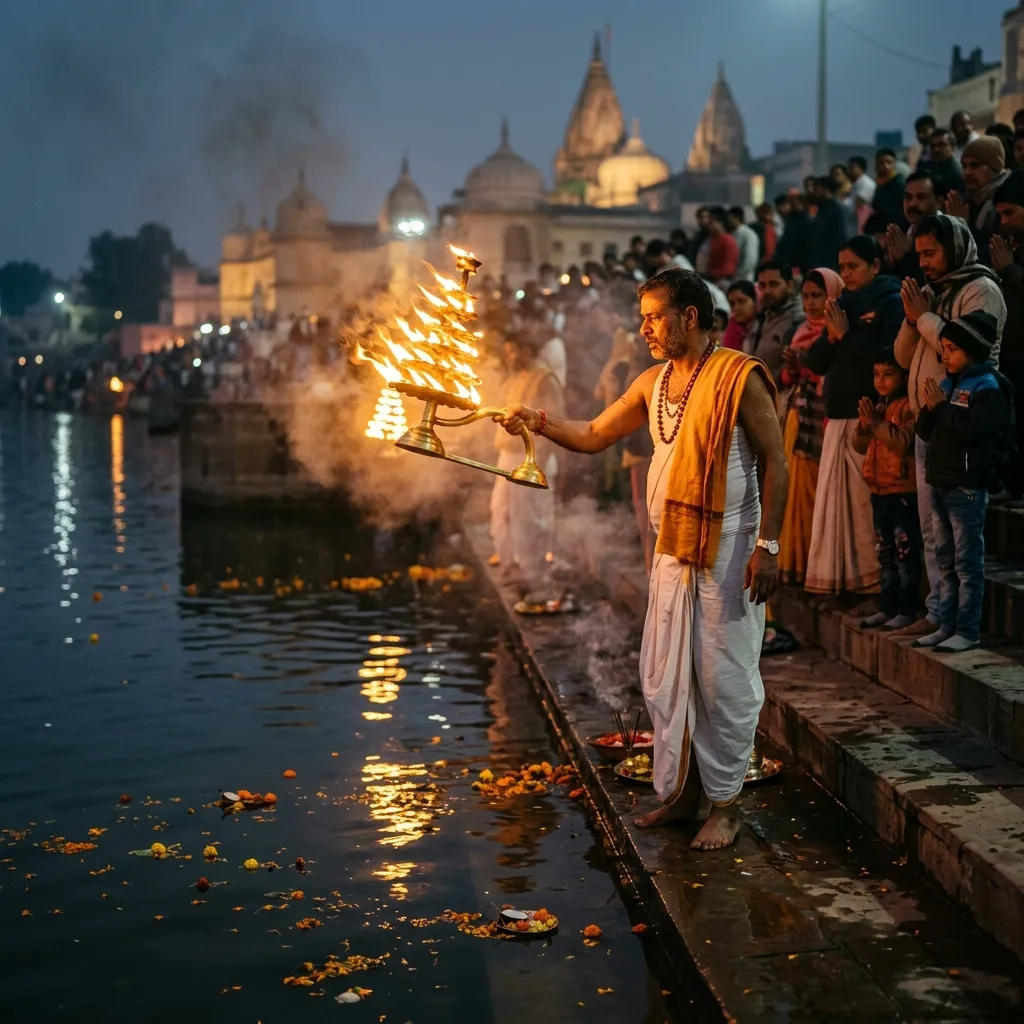
Each year, Ayodhya has pushed to break its own record for the number of diyas lit simultaneously. In 2025, the city lit close to 26 lakh (2.6 million) diyas across 56 ghats and secured a Guinness World Record, with over 2,100 Vedic scholars performing a synchronized aarti on the riverbank. Early indications suggest 2026 aims to surpass that scale.
Beyond the diya-lighting itself, expect:
- Drone and laser shows depicting scenes from the Ramayana over the Sarayu River
- Traditional Ram Leela performances staged throughout the city
- Cultural processions (Shobha Yatra) featuring tableaux based on the Ramayana's chapters
- A symbolic re-enactment of Lord Ram's return, traditionally performed with a helicopter representing the Pushpaka Vimana
- A newly built wax museum and expanded exhibition spaces in recent years
Best Time to Arrive at Ram Ki Paidi
Ram Ki Paidi is the epicenter of the celebration and also the most crowded spot in the city during Deepotsav. To get a good vantage point for the diya-lighting and avoid the worst of the crowd crush, plan to arrive by 5:00–5:30 PM, well before the ceremony begins around sunset.
A few practical notes for first-time visitors:
- Parking near Ram Ki Paidi is extremely limited — plan to walk the last stretch or use local e-rickshaws
- If traveling with elderly family members, arrive early and avoid the peak crowd window; seating is limited, so bring a lightweight stool or walking aid if needed
- Free e-passes for certain viewing areas are typically released roughly two months ahead via the UP Tourism Department's website — worth registering as soon as it opens
Where to Stay During Deepotsav
Because Deepotsav draws visitors from across India and abroad, accommodation near Ram Mandir fills up fast — many properties recommend booking two to three months in advance. Staying within walking distance of Ram Ki Paidi and Ram Janmabhoomi matters more during Deepotsav than almost any other time of year, simply because road access gets heavily restricted and vehicle movement near the ghats slows to a crawl as crowds build.
✦ Stay with Avarna
Ramta by Avarna sits a one-minute walk from both Ram Janmabhoomi Mandir and Ayodhya Junction Railway Station — during a festival where every extra kilometer of traffic can cost you an hour, that proximity is the difference between watching the lighting ceremony comfortably and missing it in gridlock. Our rooftop café also offers a quieter, elevated view of the temple skyline for anyone who prefers to experience the festival's glow without joining the densest crowds at the ghats directly.
Beyond the Main Event: What Else to See
If you're staying multiple days around Deepotsav, don't limit the trip to Ram Ki Paidi alone:
- Hanuman Garhi and Kanak Bhavan are typically decorated for the occasion and worth visiting in daylight hours when crowds are thinner
- The Sarayu Aarti, held nightly along the ghats, takes on extra scale during festival week
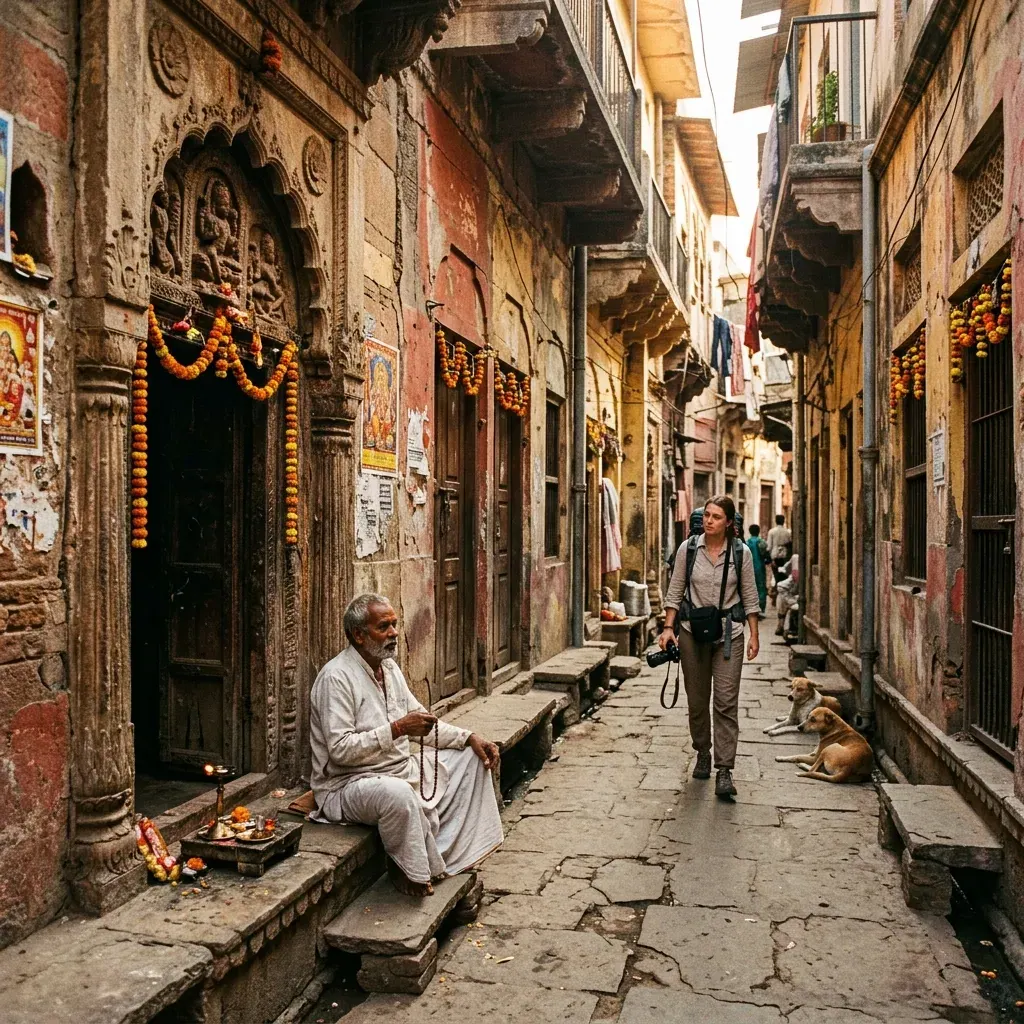
- Early mornings before the evening crowds build are the best window for temple visits and a quieter walk through the old city lanes
Planning Your Trip
- Book accommodation early — ideally 2-3 months ahead for Deepotsav specifically
- Expect queues of several hours at major temples during peak festival days
- Dress modestly and be prepared to remove footwear and store phones/bags at temple entry points
- Carry cash in small denominations, as many local vendors near the ghats don't accept cards
Frequently Asked Questions
When is Ayodhya Deepotsav 2026?
Deepotsav 2026 is expected around early-to-mid November 2026, aligning with Diwali. The exact date is confirmed by the Uttar Pradesh government closer to the event — check official sources a few weeks ahead of your trip for the final schedule.
What time should I arrive at Ram Ki Paidi for the diya lighting?
Arrive by 5:00–5:30 PM to secure a good viewing spot before the lighting ceremony begins around sunset. Arriving earlier significantly improves your view and comfort, since the area gets extremely crowded as the evening progresses.
How far in advance should I book a hotel for Deepotsav?
Most travelers book accommodation near Ram Mandir two to three months ahead of Deepotsav, since the city's limited hotel capacity fills quickly for this event.
Is Deepotsav suitable for elderly visitors?
Yes, but elderly visitors should arrive early, avoid the peak crowd window right before the lighting ceremony, and bring a walking aid if needed, since seating near Ram Ki Paidi is limited.
What else happens during Deepotsav besides the diya lighting?
Deepotsav includes drone and laser shows depicting Ramayana scenes, traditional Ram Leela performances across the city, cultural processions, and a symbolic re-enactment of Lord Ram's return to Ayodhya.
Where is the best place to stay for Deepotsav given the crowds and road restrictions?
Staying within walking distance of Ram Janmabhoomi and Ram Ki Paidi matters significantly during Deepotsav, since vehicle access near the ghats becomes heavily restricted. Ramta by Avarna is a one-minute walk from both the temple and Ayodhya Junction Railway Station.
Ready to plan your trip? Start mapping out your Deepotsav experience today.